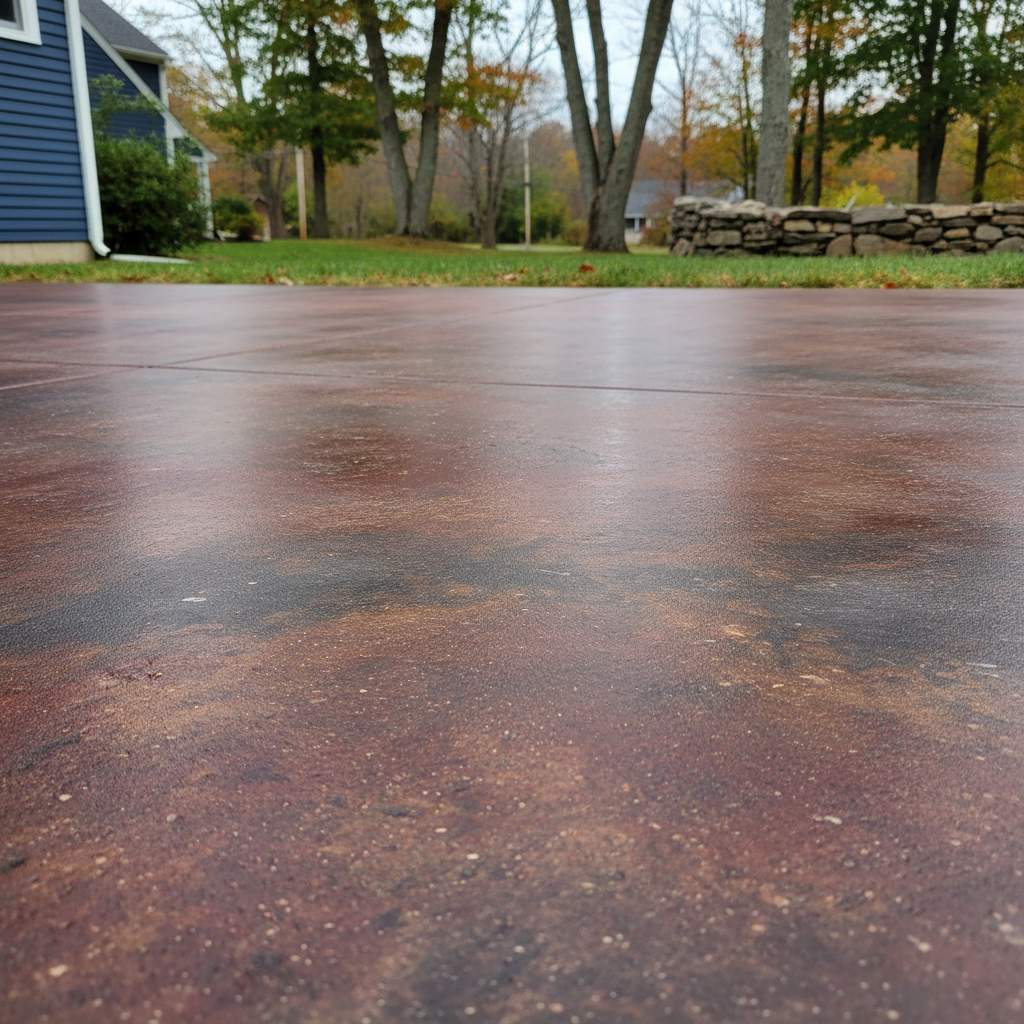
So, you're staring at that plain gray concrete patio or basement floor and thinking, "There's got to be a way to make this look better." Good news: you're absolutely right, there is! Concrete staining is a fantastic way to add color, character, and a whole lot of curb appeal or interior style to your home. But hold on a minute before you run out and grab a bucket of stain. Let's really talk about what this project involves.
What Even Is Concrete Staining?
First things first, let's clear up what we're actually talking about. Concrete staining isn't like painting. Paint just sits on top of the surface, creating an opaque layer. Stains, on the other hand, soak right into the concrete. Think of it more like wood stain – it lets the concrete's natural variations and textures show through, creating a translucent, mottled, and often very unique finish. Pretty cool, right?
You'll generally hear about two main types:
- Acid-based stains: These aren't actually colors themselves, which is a common misconception. They're a mix of water, hydrochloric acid, and metallic salts. When you put them on, they react chemically with the lime in the concrete, creating permanent, earthy tones like browns, tans, and soft blues or greens. The final color really depends a lot on the concrete's makeup, age, and how porous it is. So, you end up with a truly one-of-a-kind look.
- Water-based stains: These are more like dyes. They don't react chemically but instead just soak into the concrete's pores. You get a much wider range of colors with water-based stains, and the results are generally more consistent and predictable than with acid stains.
Can You DIY This? Absolutely, Sometimes.
For smaller, simpler projects, you can definitely tackle concrete staining yourself. I've seen plenty of homeowners right here in Weston do a great job on their own. Here's what makes a good DIY candidate:
- Small exterior pads: Like a little patio, a walkway, or a shed floor.
- Interior floors: Maybe a laundry room, a small bathroom, or a utility room.
- Concrete that's in good shape: The surface needs to be clean, unsealed, and free of major cracks, spalls, or heavy oil stains. If your concrete looks like it's been through a war, you'll need to fix those issues first, and that can get complicated fast.
- Basic color goals: If you're just aiming for a single, consistent color or a simple mottled effect.
When to Call a Pro (Like Majestic Concrete Solutions)
Look, I'm all for saving a buck and doing things yourself, but sometimes calling in the experts just makes sense. You'll thank yourself later, believe me. Here's when you should seriously think about bringing in a professional:
- Large areas: A big driveway, a multi-level patio, or an entire basement floor. Applying stain evenly over a large area without lap lines or inconsistencies is just plain tough.
- Complex designs: If you want multiple colors, stenciled patterns, or a custom faux finish. This takes skill, specialized equipment, and a real artistic eye.
- Damaged concrete: If your concrete has significant cracks, spalling, or previous coatings that need removal, a pro can get the surface ready the right way. Surface prep is probably the most critical step, and if you mess it up, the stain won't look right or last.
- Indoor projects with furniture: Moving everything out of a furnished basement or living area just to stain the floor is a huge undertaking. We've got the crew and the know-how to handle it efficiently.
- Unsealed concrete: If your concrete has an existing sealer, it needs to be completely removed for the stain to soak in properly. This often means grinding or chemical stripping, which isn't really a weekend warrior job, is it?
Before You Even Think About Staining
Prep, prep, prep. I cannot stress this enough. The success of your staining project rides almost entirely on how well you get that concrete surface ready.
- Clean it like you've never cleaned before: Pressure wash exterior concrete. For interior, scrub with a degreaser and a stiff brush, then rinse thoroughly. Any dirt, grease, oil, or existing sealer will stop the stain from soaking in evenly, leaving you with blotchy results.
- Fix any damage: Fill cracks and spalls. Remember, stains highlight imperfections; they don't hide them.
- Test, test, test: Grab a small piece of your concrete and a little bottle of the stain. Apply it to an inconspicuous spot (like inside a closet or a corner of the patio that's usually covered). Let it dry and seal it. This is the ONLY way to know what the final color will truly look like on YOUR concrete. Concrete from different batches, or even different areas of Weston with varying soil conditions, can react differently.
- Protect everything: Mask off walls, trim, landscaping, and anything else you don't want stained. Stains can be difficult, if not impossible, to remove from other surfaces.
During the Staining Process
Whether you're doing it yourself or watching us work, here's the general idea:
- Application: Stains are usually put on with a pump sprayer, brush, or roller. Acid stains often need more careful application to avoid harsh lines.
- Drying time: You'll need to let the stain dry completely, which can take several hours to a full day, depending on the product and humidity.
- Neutralization (for acid stains): Acid stains need to be neutralized and rinsed really well to stop the chemical reaction. This creates a lot of wastewater that needs to be handled properly.
- Sealing: This is absolutely crucial! Once the stain is dry and clean, you MUST put on a good quality sealer. The sealer protects the stain from wear, UV rays, and moisture, and it really makes the color pop. For exterior concrete, especially with our New England winters, you'll want a durable, UV-resistant sealer.
After the Stain: Maintenance
Stained concrete is pretty low maintenance, but it's not bulletproof. Clean it regularly with a mild, pH-neutral cleaner. Avoid harsh chemicals or abrasive scrubbers, especially on interior floors. For exterior surfaces, reapply sealer every few years, or as the manufacturer recommends, to keep it looking fresh and protected.
Staining concrete can transform a dull surface into a beautiful, durable feature of your home. Just make sure you go into it with your eyes open and a solid plan. If you're not sure, or if your project falls into that "call a pro" category, don't hesitate to reach out. We're always happy to talk through your options.