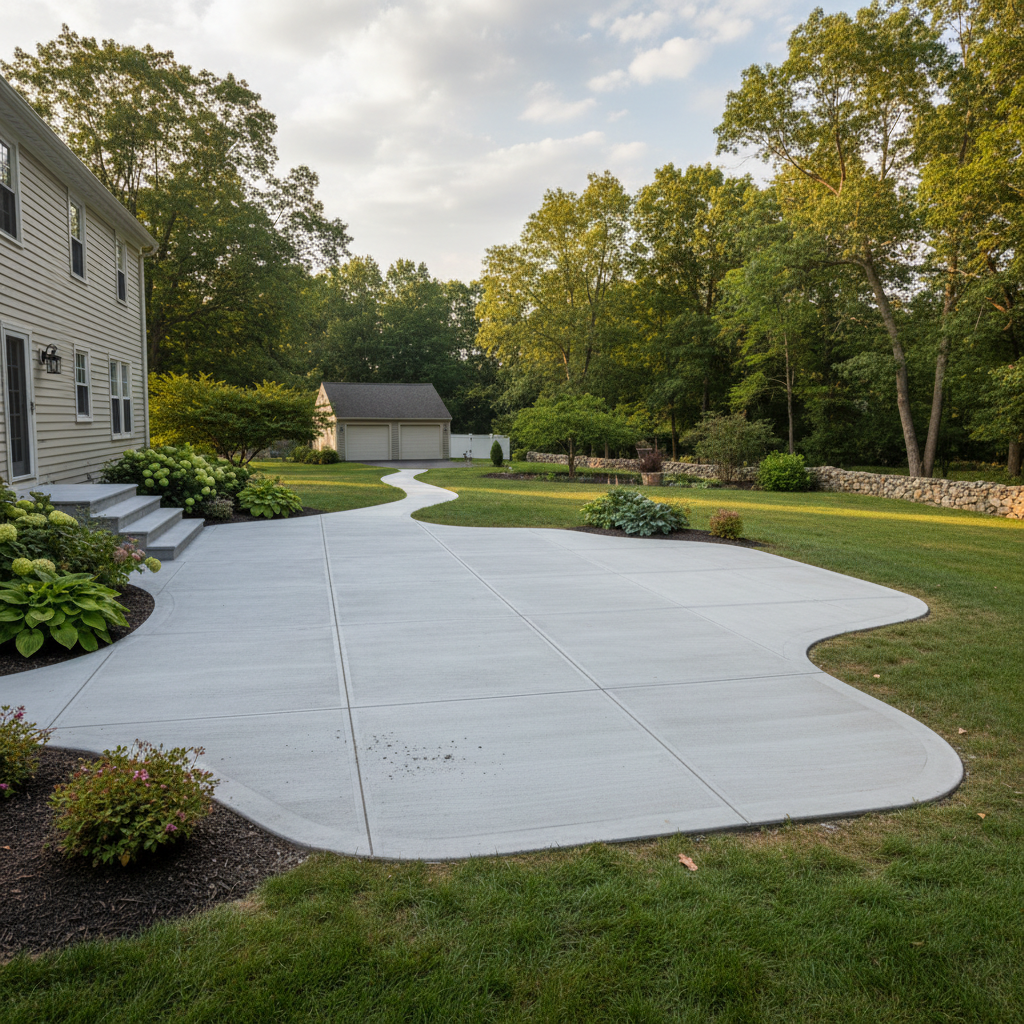
So, you're kicking around the idea of a new concrete patio, maybe a fresh driveway, or some spruced-up walkways around your Weston place. That's fantastic! Concrete flatwork really can change how a property looks and functions, boosting curb appeal and usefulness. But hold on a second — before you dive in, you really need a plan. I've seen too many folks get totally swamped or make expensive mistakes just because they didn't know what was coming. Let's talk through it.
Figuring Out Your Project Timeline
Look, this isn't a quick weekend DIY job, and it certainly won't happen overnight. A concrete flatwork project has a bunch of steps, and each one takes its own sweet time. Here’s a realistic breakdown:
- First Chat & Consultation (1-2 weeks): You'll reach out to a few contractors, they'll come by, measure things, chat about options, and give you estimates. This is where you get a feel for who might be a good fit.
- Design & Proposal Review (1-2 weeks): Once you have those estimates, you'll go over the proposals, maybe ask for a few tweaks, and nail down your design choices — color, finish, layout. Don't rush this part; after all, you'll be living with it for a long time.
- Permitting (2-6 weeks, or even longer): This one's a big deal, especially here in Weston. Depending on how big your project is and where it's located, you might need town permits. Driveways, larger patios, or anything that affects drainage often require them. Your contractor should help you with this, but remember, the clock starts ticking the moment those applications go in.
- Scheduling & Pre-Construction (1-4 weeks): Once the permits are in hand, you'll get on the contractor's schedule. Good contractors are often booked solid, particularly in spring and summer. This period also covers ordering materials and planning out the site preparation.
- Construction (1-5 days, usually): The actual pour! This is generally the fastest part. We're talking excavation, getting the base ready, setting forms, pouring, finishing, and the first bit of curing. A standard driveway might take 2-3 days; a more intricate patio could be longer.
- Curing & Sealing (7-30 days): Please don't overlook this crucial step. Concrete needs time to get to its full strength. While you might walk on it after a day or two, you absolutely shouldn't drive on it for at least a week, and full strength takes much, much longer. Sealing usually happens after about 28 days.
So, from your very first phone call to being able to fully use your new concrete, you're looking at anywhere from 2 to 4 months. Maybe more, if permits get tricky or schedules are tight. Plan ahead, especially if you're hoping to have it done by a certain season.
What Happens During the Process?
Once you've picked your contractor and the project is rolling, here's what you'll see:
- Site Preparation: We'll mark out the area, dig up the existing stuff (grass, old concrete, soil), and make sure the drainage is right. This can get a little messy, so expect some dirt and equipment around.
- Base Installation: A solid base is super important for how long your concrete will last. We'll lay down and compact gravel or crushed stone. This stops settling and cracks later on.
- Form Setting: Wood or metal forms go up to define the exact shape and height of your concrete. This is where your design really starts to pop.
- Reinforcement: Rebar or wire mesh will be placed inside the forms. This adds strength and helps keep future cracks from spreading.
- The Pour: The concrete truck arrives, and then the real work begins. We'll pour the concrete, spread it out, and get it level.
- Finishing: This is where the skill comes in. Troweling, brooming, stamping, or other decorative finishes get applied. This needs to be done quickly and precisely.
- Curing: After it's finished, the concrete needs to cure. We often put on a curing compound or cover it to slow down how fast the water evaporates. This is absolutely critical for strength and durability. Don't touch it!
Expect some noise, dust, and equipment. We try to keep disruptions to a minimum, but for a few days, it's definitely a construction site. We'll also need access to water and sometimes electricity.
How to Get Your Property Ready
You can actually help make the whole process smoother. Before we even start, here’s what you can do:
- Clear the Area: Move any outdoor furniture, planters, grills, or anything else out of the project zone.
- Trim Landscaping: If there are bushes or tree branches hanging over the work area, trim them back. This protects your plants and gives us plenty of room to work.
- Mark Sprinkler Heads & Utilities: If you have an irrigation system or those invisible dog fences underground, mark the lines clearly. We really don't want to hit them.
- Secure Pets & Kids: Keep them far away from the work zone. Heavy equipment and wet concrete are just not safe play areas.
- Discuss Access: Figure out the best way for our trucks and equipment to get to the site. Sometimes, we might need to temporarily take down a fence panel or use a specific entry point.
- Plan for Disruption: If we're replacing your driveway, where will you park your cars for a week? If it's a patio, how will you get to that part of your yard? Think ahead a bit.
A little preparation on your end makes a huge difference in keeping the project on schedule and stress-free for everyone involved.
Key Questions to Ask Before Signing Anything
Okay, you've got estimates, and you like a particular contractor. Now's the time to dig a little deeper. Don't be shy; this is your money we're talking about. Here’s what I'd be asking:
- "Can you give me references from recent flatwork projects in Weston or nearby towns?" You want to chat with actual homeowners who've hired them, right?
- "What's your usual crew size for a project like mine, and how long have they been working for you?" A steady, experienced crew is always a good sign.
- "What kind of concrete mix do you use, and what's its PSI rating?" For driveways, you'll want at least 4000 PSI, especially with our tough New England winters and the clay soil we often find in places like South Weston.
- "What kind of base preparation do you do, and how thick will it be?" Don't settle for anything less than 4-6 inches of compacted gravel.
- "How do you handle expansion and control joints?" These are super important for managing cracks. You'll want to know their plan for where they'll put them.
- "What's your plan for drainage?" This is huge. You absolutely don't want water pooling on your new concrete or running right towards your house.
- "Is permitting included in the price, or is that my responsibility?" Get this clear upfront.
- "What's your payment schedule like?" A small deposit is fine, but steer clear of contractors asking for a massive percentage upfront.
- "What kind of warranty do you offer on your work?" Get it in writing, always.
- "What happens if we hit unexpected rock or bad soil conditions during excavation?" Make sure you understand how they handle those "change orders."
Here at Majestic Concrete Solutions, we make sure we answer all these questions and then some. We really believe in clear communication and setting realistic expectations. A concrete flatwork project is a significant investment, and with good planning and the right team, you'll end up with a beautiful, durable addition to your home for years and years to come.