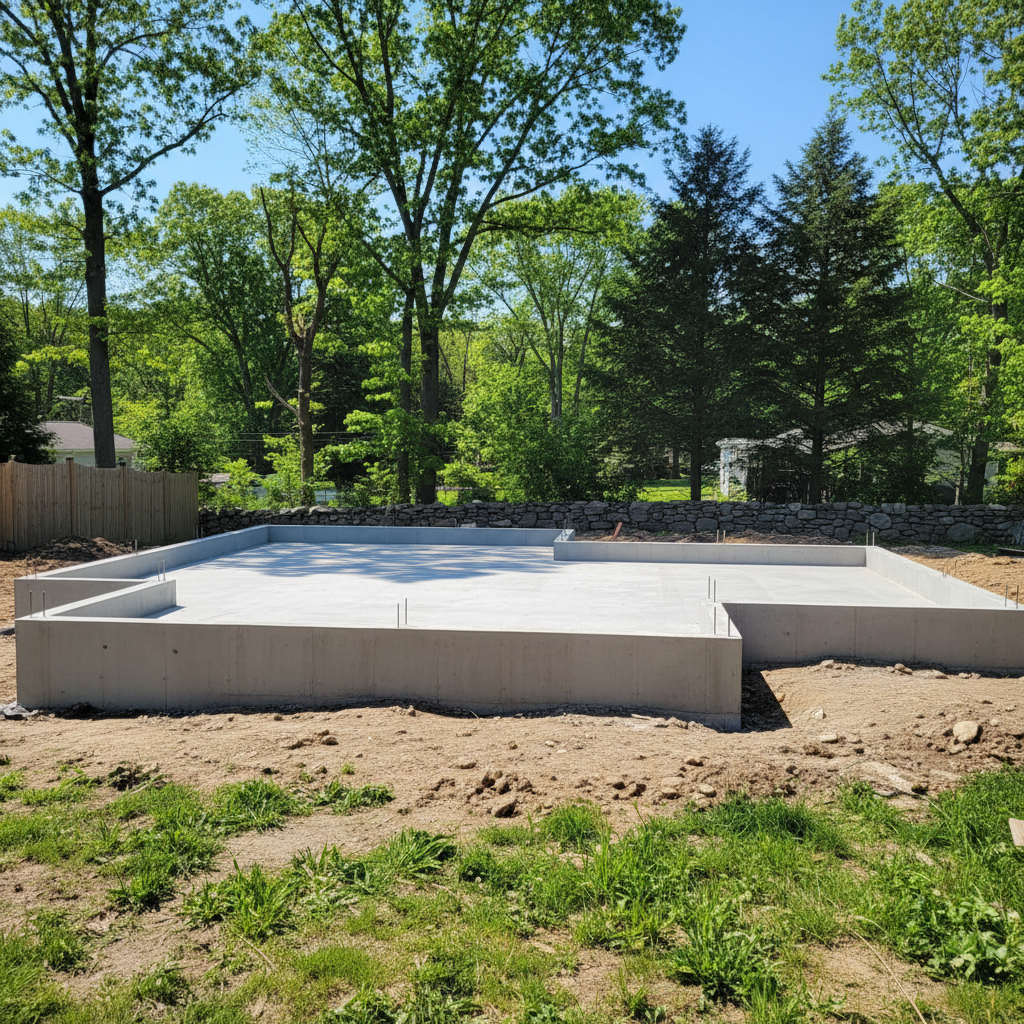
Skipping the Soil Report? That's Just Asking for Trouble
I've seen it happen time and again here in Weston, especially with some of the older homes or new builds on those trickier lots. Homeowners get all excited about their new addition or garage, they get a quote for the concrete foundation, and then they just jump right in. But they miss one absolutely crucial step: a proper soil report. Look, the soil around here, particularly near the Charles River or in some of our more wooded, hilly spots, isn't always what you'd call straightforward. You might have pockets of clay, sand, or even old fill that looks perfectly stable on the surface but really isn't. If your contractor doesn't insist on a geotechnical report, or if you try to cut that corner to save a few hundred bucks, well, you're playing with fire. That report tells us exactly what we're building on. It dictates the depth of your footings, the kind of rebar reinforcement you'll need, and even the concrete mix itself. Without it, you could easily end up with a foundation that settles unevenly, cracks way too soon, or, even worse, just fails structurally. It's a small upfront cost, really, but it prevents massive, heartbreaking repairs down the line. Don't skip it, okay?
Ignoring Drainage from Day One? Big Mistake.
Another big one I constantly see is homeowners (and sometimes even less experienced contractors) focusing only on the foundation itself, completely missing the bigger picture of water management. Your foundation is only as good as the drainage around it. We get plenty of rain and snowmelt here in New England, don't we? If that water isn't directed away from your foundation, it's going to find a way in, or it's going to slowly undermine your footings over time. I'm talking about proper grading, French drains, downspout extensions, and even sump pumps if they're needed. These aren't just afterthoughts; they're absolutely essential for a healthy, dry foundation. When you're planning your project, make sure your contractor brings up drainage in that very first conversation. If they don't, that's a red flag, plain and simple. You want someone who sees the whole system, not just the concrete slab.
Going with the Lowest Bid? That's a Trap, Folks.
Everyone wants to save money, I totally get that. But with concrete foundations, the lowest bid is almost always a trap. Foundations are, quite literally, the base of your entire structure. This isn't the spot to pinch pennies by hiring someone who's cutting corners. I've seen contractors bid ridiculously low because they plan to use less rebar than required, skimp on the concrete strength, or rush the curing process. Or maybe they don't have the right insurance, or they're using unskilled labor, who knows? You won't see these shortcuts until it's too late — when cracks start showing up, or when the town inspector flags something. A good contractor, like us at Majestic Concrete Solutions, provides a detailed quote that explains exactly what you're paying for: quality materials, an experienced crew, proper permits, and adherence to building codes. Ask for references, check their insurance, and don't be afraid to ask tough questions about their process. If a bid seems too good to be true, it probably is.
Not Understanding the Curing Process
This might sound a bit technical, but it's really important. Concrete doesn't just dry; it cures. This is a chemical process that actually strengthens the concrete over time. Many homeowners, eager to get their project moving, don't realize how critical proper curing is. If you start building on a foundation that hasn't adequately cured, or if the concrete isn't protected from extreme weather during its initial curing phase, you're compromising its long-term strength and durability. A good contractor will explain the curing timeline and make sure the foundation is properly protected, whether that means covering it, keeping it damp, or even heating it in colder weather. Don't let anyone rush this part. Patience here pays off in a foundation that will last for generations, believe me.
Forgetting About Future Access and Utilities
This is less about structural integrity and more about avoiding future headaches, if you ask me. When you're pouring a new foundation, especially for an addition or a new build, you need to think ahead. Where are your utility lines going to come in? Water, sewer, gas, electrical, even internet. Do you need conduits for future expansion, like an outdoor kitchen or a detached garage? It's infinitely easier and cheaper to run these things before the concrete is poured than to cut into a finished slab later. Talk to your architect and your contractor about all potential future needs. A little foresight here can save you a ton of money and frustration down the road. It's all about planning, and making sure your contractor is thinking beyond just the pour itself.