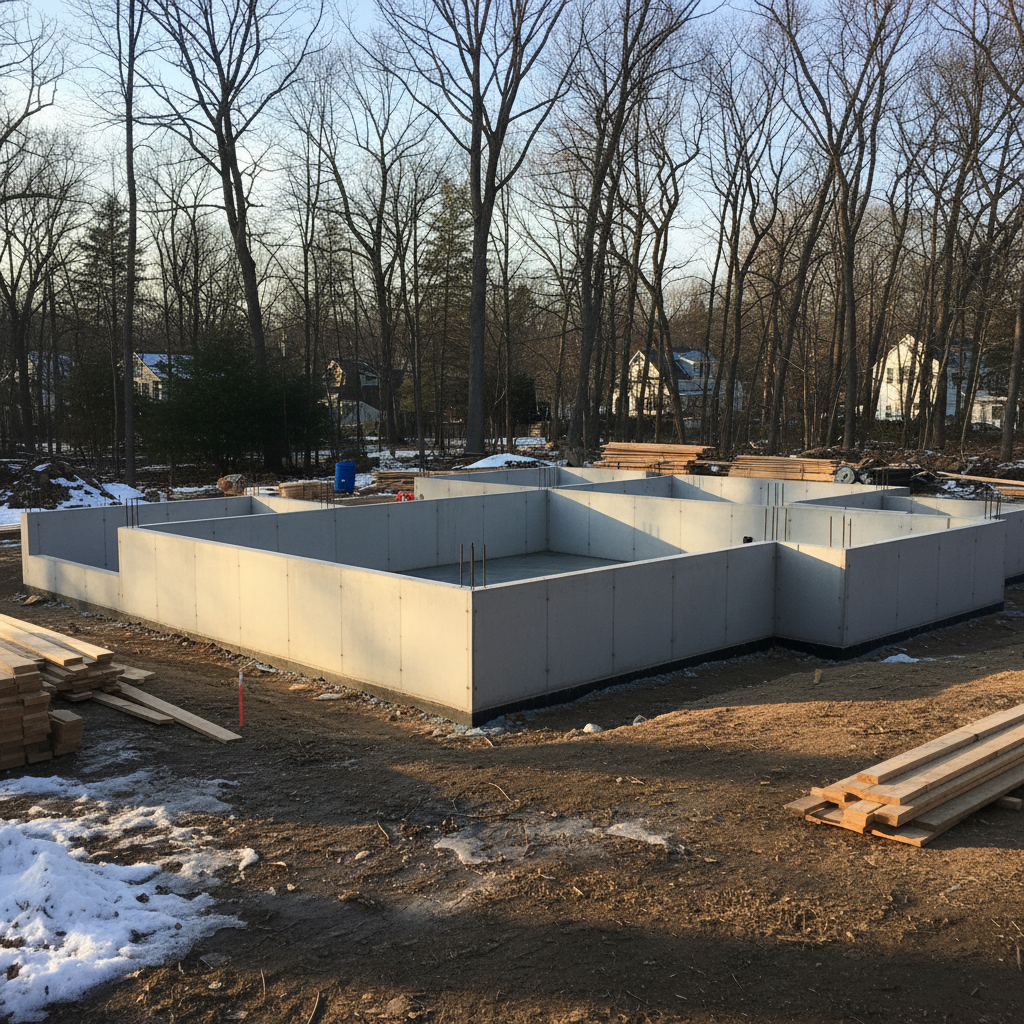
You've got a concrete foundation, or maybe you're just thinking about putting one in. Either way, you're probably wondering how our wild New England weather messes with it. That's a totally fair question, especially living here in Weston where we get everything from deep freezes to scorching summers. I've been pouring and fixing concrete foundations around here for a long time, and believe me, I've seen firsthand what actually works and what just doesn't.
When's the Best Time to Pour a Foundation in Weston?
This is probably the question I hear most often. Everyone wants to know the "perfect" time. The truth is, there's a window, and temperature really drives it. Concrete needs to cure right, and that whole process is super sensitive to heat and cold.
- Spring (Late April to June): Often, this is just right. The ground's thawed out, temperatures stay reliably above freezing, and you usually get a nice mix of sun and rain without any crazy extremes. Plus, the soil around here, especially near places like Cat Rock Park, can be pretty rocky and dense — a good spring thaw actually helps with the digging.
- Summer (July to Early September): Still a good period, but you really have to watch out for extreme heat. If it's too hot, the water in the concrete can dry out way too fast. That can lead to cracks or a weaker finish, which nobody wants. We'll use special additives or curing compounds to slow things down if we're pouring on a really sweltering day.
- Fall (Mid-September to November): This can be excellent, often with nice, stable temperatures. The main thing to worry about here is getting the job done before those consistent overnight freezes start. You absolutely do not want your fresh concrete to freeze before it's strong enough.
- Winter (December to March): Generally, this is a no-go for new foundation pours. Unless it's absolutely unavoidable and you're willing to pay for some serious cold-weather protection, that is. We're talking heated blankets, full enclosures, and special concrete mixes. It really jacks up the cost and complexity, and honestly, it's usually just better to wait.
Ultimately, we're looking for a stretch of days where temperatures stay between 40°F and 80°F. Ideally, we also want not too much wind or super intense direct sun right after the pour. We're always checking the forecast, sometimes a few times a day, just to make sure conditions are perfect.
How Does Weston's Weather Impact Your Foundation?
Beyond the initial pour, our climate really puts concrete through its paces, year after year. It's not just about the first build; it's about what happens over decades.
- Freeze-Thaw Cycles: This is the big one here in Massachusetts. Water sneaks into tiny cracks or pores in the concrete, freezes, expands, and then thaws. Over time, this repeated expansion and contraction can cause spalling (that's surface flaking) or even bigger cracks. It's why having good drainage around your foundation is so incredibly important.
- Soil Movement: Our heavy clay soils in some parts of Weston can swell up when they get wet and then shrink when they dry out. This movement, especially if it wasn't considered during construction, can really stress your foundation walls over time. Good site prep and proper footings? They're non-negotiable.
- Moisture: Rain, snowmelt, and groundwater are constantly trying to get into your basement. A good foundation includes proper waterproofing and drainage systems to keep that moisture out. If you've got an older home, you might be dealing with some dampness — often a sign your original waterproofing has failed or just wasn't enough for our climate.
Protecting Your Concrete Investment Year-Round
Okay, so you've got a solid foundation. Now what? Here's how to keep it that way, no matter the season:
1. Manage Water: This is probably the single most important thing you can do. Make sure your gutters are clean and extend at least 5-6 feet away from your foundation. The ground around your house should always slope away from the foundation, never towards it. If you have any low spots where water collects, fix them. Standing water is concrete's arch-nemesis.
2. Inspect Regularly: Take a walk around your house a couple of times a year, especially after heavy rains or snowmelt. Look for cracks. Small hairline cracks are often just normal shrinkage cracks and usually nothing to worry about. But if you see cracks wider than a credit card, or if they're horizontal or stair-stepping, it's time to call someone like us at Majestic Concrete Solutions to take a look. Also, check for any signs of efflorescence (that white powdery stuff) on your basement walls, which usually means moisture is getting in.
3. Seal When Necessary: For concrete slabs like driveways or patios, putting on a good quality sealer every few years can really cut down on water absorption. It helps protect against freeze-thaw damage and staining too. While foundations aren't typically sealed on the outside after backfilling, making sure any exposed concrete is protected can definitely help.
4. Don't Ignore Small Problems: A small crack can quickly turn into a big headache if you leave it alone. Water gets in, freezes, expands, and makes it worse. Catching issues early can save you a ton of money and stress down the road. Why wouldn't you?
Your foundation is quite literally the bedrock of your home. Taking a little time to understand how our local Weston weather affects it, and then taking proactive steps to protect it, will pay off big time in the long run. If you've got questions or see something that concerns you, don't hesitate to reach out. That's what I'm here for.